Tools & Workshop Equipment Reviews & Buying Guides
Compare power tools, hand tools, automotive and mechanic tools, measuring instruments, and storage solutions. Get honest product reviews and expert buying guides that help you choose the right gear for your garage, workshop, or DIY maintenance projects.
- Plain-English reviews
- Real-world buying guides
- Safety & maintenance tips
Find tools by category
Jump straight to the type of tool you need, from everyday hand tools to cordless power tools and workshop storage.
Power Tools
Drills, saws, grinders, and sanders compared by power, runtime, and value.
Browse power tools →Hand Tools
Wrenches, pliers, hammers, and screwdrivers built to last for years of jobs.
Browse hand tools →Automotive & Mechanic Tools
Socket sets, torque wrenches, and diagnostic gear for garage repairs.
Browse automotive tools →Measuring & Testing Tools
Multimeters, laser levels, calipers, and tape measures for accurate work.
Browse measuring tools →Tool Accessories & Storage
Batteries, bits, blades, toolboxes, and organizers that keep your shop running.
Browse accessories →Where will you use your tools?
Your workspace shapes your toolkit. Pick a space to see the tool types worth looking at first.
Garage & home auto maintenance
Keep cars, bikes, and mowers running with reliable mechanic tools and accurate testers.
Workshop & woodworking bench
Build a bench that handles cutting, drilling, sanding, and clamping without clutter.
Job site & trade work
Rugged, portable gear that stands up to daily use, dust, and drops.
DIY & home repairs
Start small, buy smart, and cover the repairs you will actually tackle around the house.
From first idea to the right tool in four steps
A simple process that keeps you from overspending or buying the wrong tool.
Define the job
Start with what you will build or fix, how often you will use the tool, and your budget.
Compare what matters
Look at power, battery platform, build quality, warranty, and accessories, not just the headline spec.
Read the honest take
Our reviews and guides explain the trade-offs in plain English so you know who a tool is really for.
Buy, use, and maintain
Follow safety and care tips so your tools stay accurate, safe, and ready for the next project.
Latest reviews and buying guides
Our newest tool reviews, comparisons, and how-to guides.
-
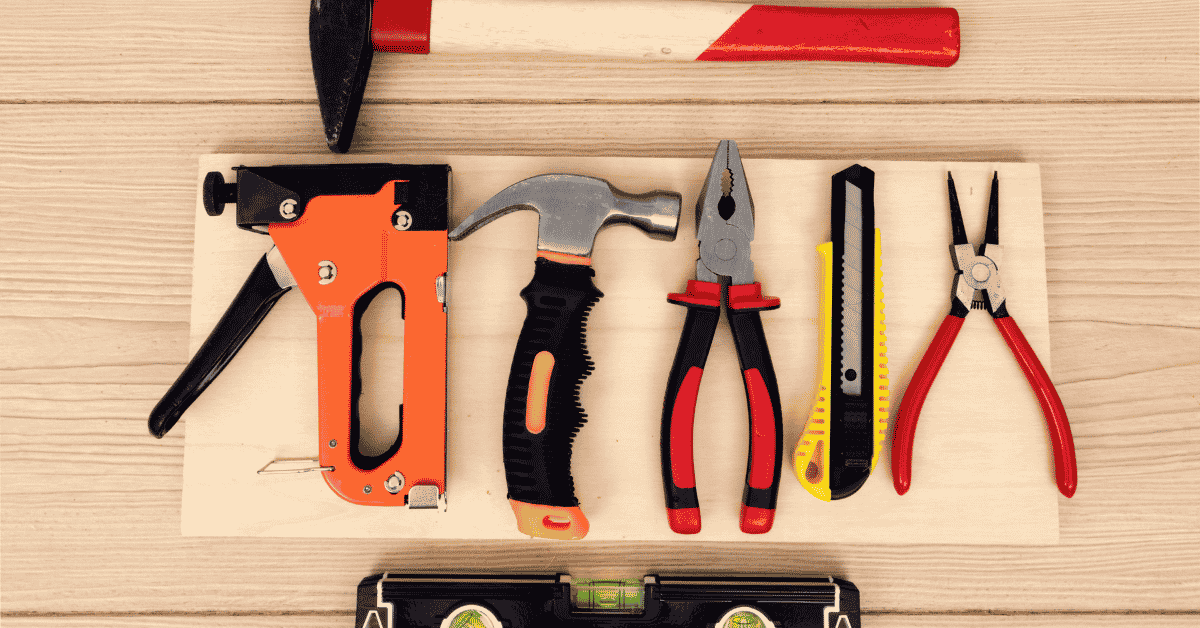 Automotive & Mechanic Tools, Hand Tools, Measuring & Testing Tools, Power Tools, Tool Accessories & Storage
Essential Tools: A Complete Guide to Building a Reliable Toolkit
Essential Tools save your day on home and car jobs. Ditch weak kits and grab tough drills, hammers, and sockets. Check out…
Cordless battery voltage, explained
Higher voltage generally means more power for bigger jobs, but also more weight and cost. Here is the simple version.
12V
Compact & light
- Tight spaces and overhead work
- Furniture assembly and light repairs
- Easy to carry all day
18V–20V
The all-rounder
- Drills, impact drivers, and circular saws
- Home DIY and general trade work
- Widest range of tools and batteries
36V–60V+
Heavy-duty & outdoor
- Larger saws, demolition, and mowers
- Long runtime on demanding jobs
- More weight and higher cost
Essentials for every stage of your workshop
Buy what your projects need today, and grow your collection as your skills do.
Starter
For a first apartment or home.
- Tape measure and level
- Screwdriver set and pliers
- Claw hammer and utility knife
- Adjustable wrench
- Basic cordless drill/driver
Growing shop
For regular projects and repairs.
- Impact driver and circular saw
- Socket and wrench set
- Orbital sander and clamps
- Multimeter for electrical checks
- Sturdy toolbox or chest
Serious workshop
For precision, speed, and trade-level jobs.
- Torque wrench and digital caliper
- Hammer drill and jigsaw
- Laser level
- Spare batteries and a fast charger
- Rolling tool chest with organizers
Browse by brand and topic
Looking for a specific brand or question? Start here.
Popular brands
Popular topics
Tool advice that respects your time and your budget
Plain-English reviews
No jargon walls. We explain specs, trade-offs, and who each tool is really built for.
Guides built around real jobs
From first toolbox to full workshop, our buying guides start with the task, not the brand.
Safety and care first
Every tool has a right way to use and store it. We cover both so your gear lasts longer.
Easy to find, easy to use
Browse by category, space, or brand and jump straight to what you need.
Tool care in 60 seconds
Store batteries smartly
Keep lithium-ion batteries cool and dry, and avoid leaving them fully drained for long periods.
Fight rust early
Wipe tools clean and dry after use, add a light coat of oil to bare steel, and keep humidity low.
Gear up and double-check
Wear eye and hearing protection, and check measuring tools against a known reference now and then.
Tool buying questions, answered
What tools should a beginner workshop have?
Start with the basics you will reach for every week: a tape measure, screwdriver set, claw hammer, adjustable wrench, pliers, a level, and a cordless drill/driver. Add specialty tools as your projects demand them instead of buying a giant kit you will not use.
Should I choose corded or cordless power tools?
Cordless tools win on convenience and portability, and modern batteries handle most home and trade tasks. Corded tools still make sense for long, power-hungry jobs in a fixed workshop, where steady runtime matters more than mobility.
What do battery voltage and amp-hours mean?
Voltage (12V, 18/20V, 40V and up) is a rough guide to a tool’s power class, while amp-hours (Ah) tell you how long a battery runs. Batteries are not always interchangeable between brands or voltage lines, so check the manufacturer’s compatibility information before you buy.
Which hand tools are worth spending more on?
Anything you grip hard or rely on for accuracy: wrenches, pliers, screwdrivers, and measuring tools. Better steel, tighter tolerances, and comfortable handles pay off every time you use them.
How do I stop my tools from rusting?
Keep them clean and dry, store them away from damp floors and walls, and wipe bare steel with a light coat of oil. Silica gel packs or a dehumidifier in a toolbox or garage help a lot in humid climates.
What should I check in a tool warranty?
Look at the length of coverage, whether batteries and chargers are covered separately, what counts as proof of purchase, and whether professional or commercial use is excluded. Registering the tool and keeping your receipt makes any claim smoother.
Ready to build a smarter workshop?
Browse the latest reviews and buying guides, or tell us which tool you would like covered next.